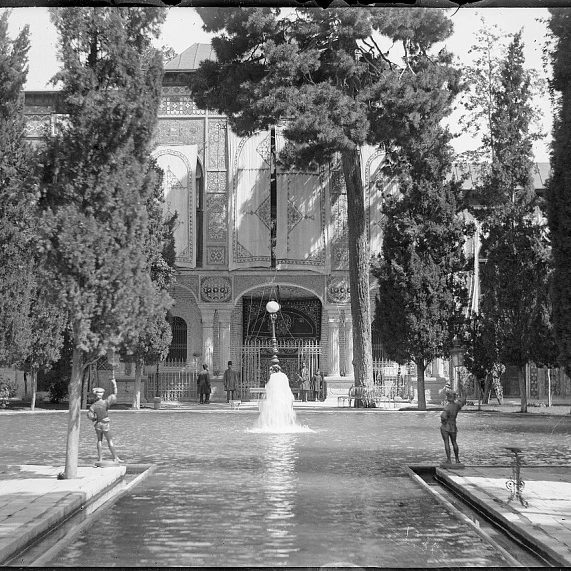
Iranian news media has been abuzz with an exciting development that English-language sources have not even mentioned: an anonymous person has published 74 photos albums (containing over 3,000 photos) from the Golestan Palace Photograph Archive online.
What happened?
It all began on May 28th with an anonymous message containing a Google Drive link on the social media app Telegram (Ehsan RostamiPur, Kojaro). That message was initially shared among a few people interested in Iranian history and historical photography (Id.). The link led to a treasure trove of over 3,000 not previously public photographs from the Golestan Palace Photograph Archive.
The anonymous sender encouraged the recipients to share the link with several others. The link has since been shared from person to person and on social media. Accordingly, word has spread far and wide, and in the last two days, news media has picked up the story.
Why does it matter?
So what’s the big deal?
One user on X (Twitter) heralded this leak as “one of the biggest events in the field of Qajar Studies” (Ehsan RostamiPour, Kojaro). Golestan Palace’s collection of 1,520 albums and over 9,000 plates provides an unprecedented documentary record of “travels, holidays, mourning, daily life, harems and historical buildings” during the Qajar era (Voice of America). The leak consists of only 74 of these albums, and makes them publicly available for the first time. The other albums remain “locked behind closed doors” (Association for Iranian Studies).
The anonymous leaker criticized the “monopoly” over these photos and the officials who “imprison” them (Voice of America). Many have denounced the Ministry of Cultural Heritage’s restrictions on access to and publication of Golestan Palace’s valuable archival collections. Although Ministry of Cultural Heritage museums have begun digitizing their collections, they lag behind other institutions, even within Iran (e.g., the Malek Museum), and have not made many of those files available (Ehsan RostamiPur, Kojaro).
Mohammad Reza Tahmaseb, a researcher of historical Iranian photography, described the onerous process of accessing Golestan Palace’s photographic collection in an Instagram post:
برای به دست آوردن یک یا حتی چند عکس ساده و بیکیفیتتر از این مجموعه (آلبومخانه کاخ گلستان) باید با مدیریت کاخ نامهنگاری شود. سپس در صورت موافقت، نامه به مسئول آلبومخانه ارجاع داده میشود و پس از آن، موضوع عکس مورد نیاز اگر در آلبومهایی که تاکنون در آلبومخانه کاخ گلستان با نام آلبوم سایه عکسبرداری شده باشد، با تعداد محدودی عکس موافقت میشود.
Translated:
. . . To obtain one or even a few simple and poor quality photos from this collection (the Golestan Palace Photograph Archive) you must write to the Palace management. Then, if accepted, the letter will be referred to the person in charge of the Photograph Archive, and after that, if the required photographic subject is in the albums that have been scanned in the Golestan Palace Photograph Archive under the name “Shadow Albums,” [the request] will be accepted with a limited number of photos.
Source: Ehsan RostamiPur, Kojaro
What was the official response?
The Ministry of Cultural Heritage’s Director General of Museums, Hadi Mirza’i commented on the leak: “Unauthorized publication of documents is a violation . . . . The use of these works is prohibited by law, and any research or other use of them must be subject to the permission of the museums.” (Ehsan RostamiPur, Kojaro)
Mr. Mirza’i rejected claims that Golestan Palace unreasonably impedes access to its collections, “Not a single request remains unanswered. We are not strict about providing documents . . . . Every researcher who submitted a specific proposal with a specific goal has received the required documents.” (Ehsan RostamiPur, Kojaro)
Golestan Palace responded to the leak with the following statement:
اخیرا بخشی کوچکی از آلبوم عکسهای تاریخی کاخ گلستان بهصورت مجازی منتشر شده است که به «آلبومهای سایه» شهرت دارند. آلبومهای سایه در واقع آلبومهای اسکنشده از روی نسخه اصل هستند که بهمنظور خدماتدهی به پژوهشگران و دانشگاهیان تهیه شده است؛ بنابراین شیء یا آلبومی مفقود نشده است؛ بلکه نسخه دیجیتالی آلبومها منتشر شده است. برخی از این عکسها، بارها با توجه به تقاضای پژوهشگران داخلی و حتی خارجی، در اختیار آنان قرار گرفته است و موضوع غیرقابل انتشار نبوده است. در راستای خدمترسانی بهتر به جامعه دانشگاهی و پژوهشی و در راستای شعار امسال ایکوم که «موزهها برای آموزش و پژوهش» است، مجموعه میراث جهانی کاخ گلستان تصمیم به انتشار عمومی «آلبومهای سایه» گرفته و مراحل دستهبندی عکسها و تغییر نام پوشهها در حال انجام است. با این وجود، انتشار شتابزده و غیرنهایی بخشی از این آرشیو عظیم در دست بررسی است. یادآوری میشود طی سالیان اخیر، انتشار دیجیتالی اسناد و تصاویر در موزههای دنیا رونق گرفته است و این موضوع، علاوه بر افزایش ارزش و اعتبار یک موزه نزد مخاطبان، افزایش بازدیدکنندگان آن را در پی دارد.
Translated:
Recently, a small part of the historical photo album of Golestan Palace has been published online, which are known as “shadow albums.” “shadow albums” are actually albums scanned from the original versions, which were prepared to serve researchers and academics; therefore, no object or album is missing; rather, the digital version of the albums has been released. Some of these photos have been made available to domestic and even foreign researchers many times, and the subject was not unpublishable. In order to better serve the academic and research community and in line with this year’s motto of [the International Council of Museums], which is “Museums for Education and Research,” the Golestan Palace World Heritage Collection has decided to publicly release “shadow albums” and the process of categorizing photos and renaming folders is underway. Is. However, accelerated and non-final release of a part of this huge archive is under consideration. It is recalled that in recent years, the digital publication of documents and images has been booming in the museums of the world, and this issue, in addition to increasing the value and prestige of a museum in the eyes of the audience, leads to an increase in its visitors.
Source: Ehsan RostamiPur, Kojaro
This statement reveals some very important information:
First, the leaked photos are likely photos that Golestan Palace scanned and made available to individual researchers. According to Mohammad Reza Tahmaseb‘s Instagram post, “Shadow Album” refers to the limited collection of scanned Golestan Palace albums, from which the Golestan Palace Archives fulfills research requests.
Second, Golestan Palace is considering accelerating its online publication of its remaining albums.
The Future
Iran is starting to embrace digital humanities and digitization, so we can expect more online resources in the future (The Digital Orientalist, Digital Humanities and Manuscript Archives in Iran). This impressive release of archival material may motivate the Iranian government to accelerate its digitization and accessibility efforts.
Hadi Mirza’i reported, “More than 800,000 objects, written works and documents from museums all over the country have been uploaded to the “Jam” system,” but recognized that “[w]e should try to create conditions for public access to these works so that those interested can use them” (Ehsan RostamiPur, Kojaro). In light of the Golestan Palace photo leak, Mr. Mirza’i promised that an effort to make digitized museum collections publicly available would be undertaken by the end of the year (Id.).
The effect of this leak on government practices remains to be seen. However, an invaluable photographic resource now exists for historians, genealogists, researchers, and everyone curious about the Qajar era.
 Iranian Genealogy
Leave a comment